


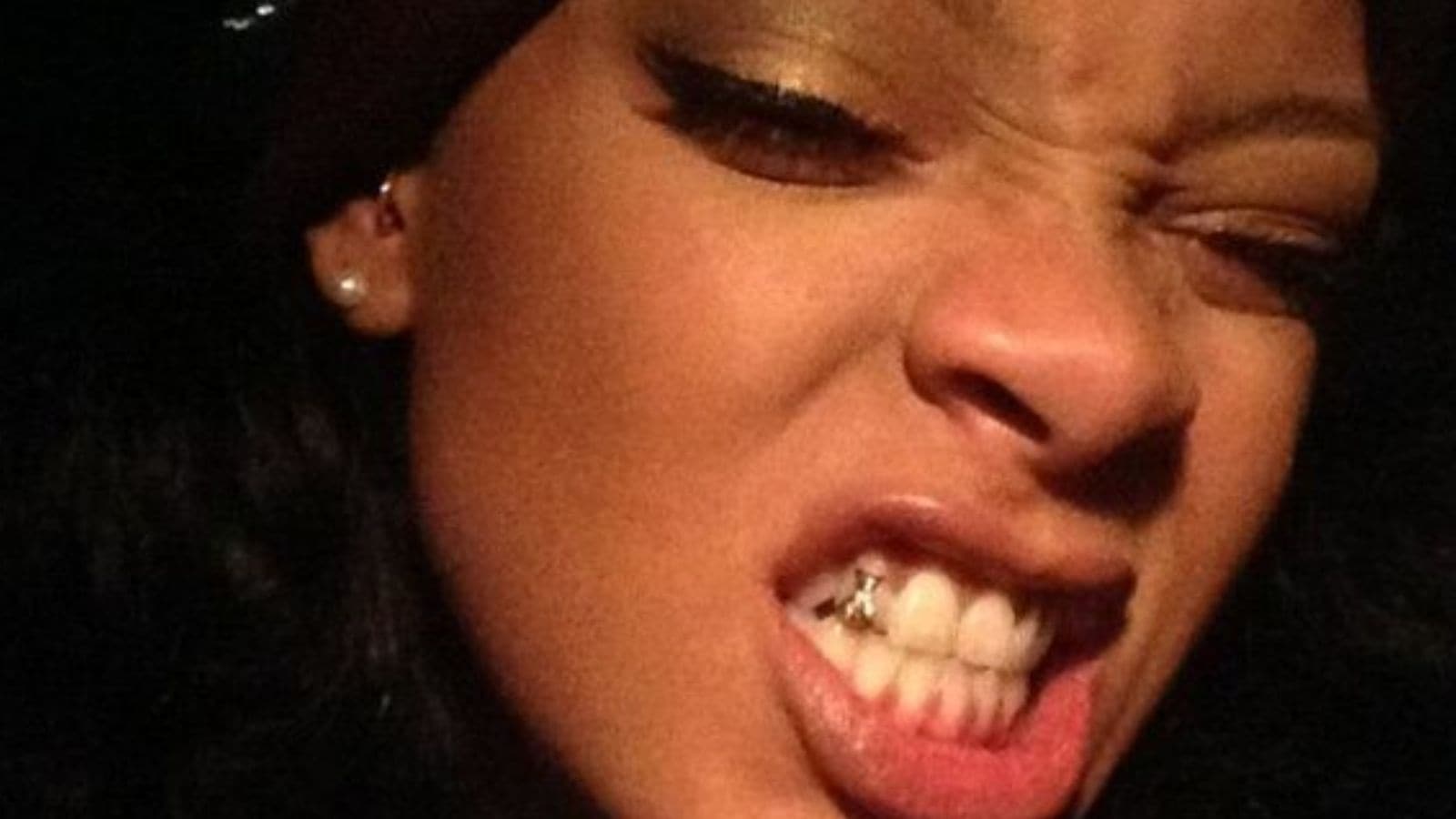
If you remember the sparkling smile of Katy Perry, Rihanna, Dua Lipa and Billie Elish, you would know that they started the trend of tooth gems to style up their look — small, decorative crystals, diamonds or metal studs that are bonded to the surface of a tooth with a dental adhesive. Young Indians are quickly following this trend as a temporary, non-invasive way to flash their smiles and stand out in a crowd.
But oral fashion trends are now impacting dental health, says Dr Bibhakar Ranjan, a Germany-based dentist and preventive oral health advocate. Citing the example of singer-songwriter Freddie Mercury, who had protruding upper incisors but refused any corrective surgery, he says, “Mercury believed that altering his oral anatomy could affect his vocal resonance, articulation and ability to reach higher octaves. His instinct was correct: the mouth is not merely an aesthetic – it is a musical instrument.”


Why tooth gems can affect your voice
For singers, the voice relies heavily on muscle memory developed over years of training. “Even minimal changes to tooth surface or tongue contact points can disrupt this learned coordination. While some individuals may adapt over time, others experience persistent discomfort, reduced control in higher registers, or changes in vocal clarity — particularly under microphone amplification, where subtle phonetic alterations become noticeable. This is why vocal coaches and music-medicine specialists often advise musicians to avoid elective oral modifications unless medically necessary, especially during active performance periods,” explains Dr Ranjan.
How they affect oral health and hygiene
Tooth jewels negatively affect dental health by acting as magnets for plaque and bacteria, leading to enamel erosion, decay, and gum irritation. They create hard-to-clean spots, and the bonding process or improper removal can permanently damage or weaken tooth enamel.
The lower front teeth are highly prone to plaque accumulation. Multiple tooth gems or metal accessories in this region may act as plaque-retentive sites, increasing the risk of cavities and gingival inflammation. They may erode the enamel surface as attaching the gem requires etching or roughening the enamel, weakening the tooth’s protective surface.
If positioned near the gumline, the jewel can cause irritation, inflammation or damage. Once removed, the spot where the gem was placed could become discoloured or have a weakened enamel, sometimes requiring cosmetic repair. The gem can chip, scratch, or break opposing teeth, and can cause sores on the inside of the lips or cheeks.
Why you should not go by viral trends
As trends gain visibility through celebrities and social media, it is especially important that young people receive accurate information before making similar choices. “If someone chooses oral jewellery, it should always be placed by a qualified dentist. The number and size should be kept minimal, oral hygiene must be meticulous and regular professional cleaning is essential. Fashion trends evolve but tooth structure, gum health and vocal function are lifelong assets,” says Dr Ranjan.


© The Indian Express Pvt Ltd
link