9 foods to boost the immune system
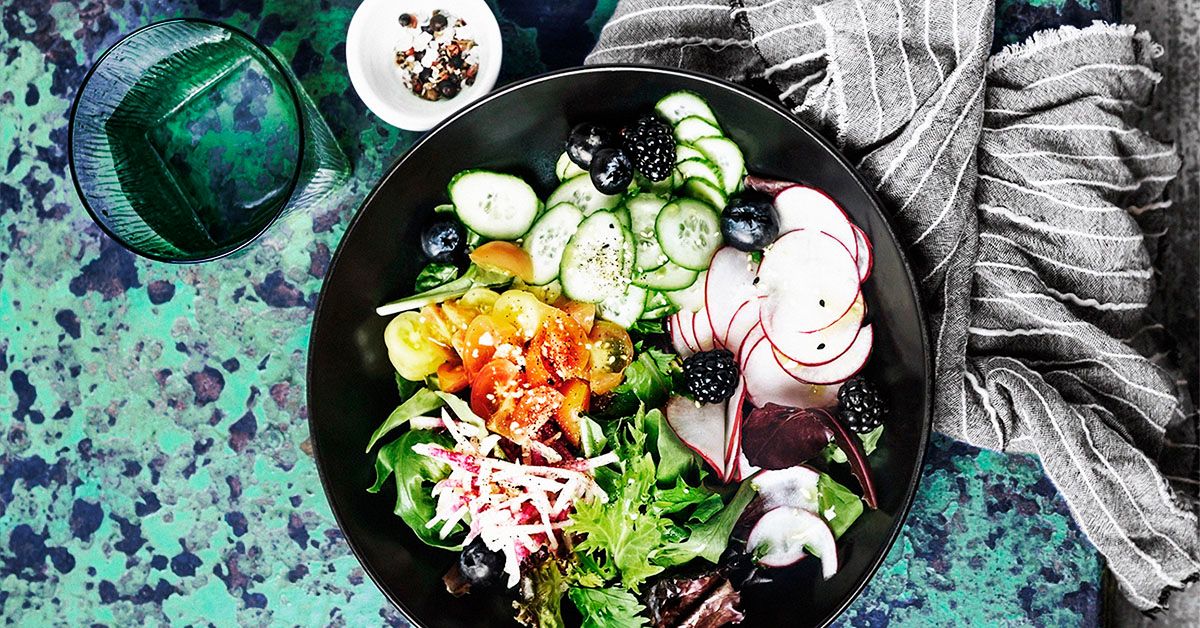
Berries, leafy greens, oily fish, nuts, seeds, turmeric, ginger, and fermented foods provide nutrients that support the immune system.
The immune system consists of organs, cells, tissues, and proteins. Together, these carry out bodily processes that fight off pathogens, which are the viruses, bacteria, and foreign bodies that cause infection or disease.
A strong immune system helps to keep a person healthy.
While no single food can boost the immune system, there is an important connection between what a person eats and how their diet can impact the immune system.
The immune system relies on a balanced diet containing a wide variety of foods to function well.
The authors of a 2022 article state that the following vitamins and minerals can influence a person’s immune system:
- vitamin A
- B vitamins, including B1, B2, B3, and B12
- vitamin C
- vitamin D
- vitamin E
Minerals, including zinc and selenium, can also affect the immune system.
To help boost the immune system, a person can incorporate the following foods into their diet.
Berries
A 2021 review states that berries contain a high nutritional content of vitamins, minerals, and phenolic compounds. The authors state that berries have outstanding beneficial roles in a variety of body systems, including the immune system.
Examples of berries a person can include in their diet include:
- strawberries
- blackberries
- blueberries
- raspberries
- cranberries
- blackcurrants
An adult portion of fruit is 80 grams (g), or the amount of fruit that can fit into the palm of the hand. Approximately seven strawberries would be considered a single portion of fruit.
Leafy green vegetables
Leafy green vegetables are high in vitamins such as A, C, and B vitamins. Examples of leafy greens include:
- 2 broccoli spears
- 2 heaped tablespoons of cooked spinach
- 4 heaped tablespoons of cooked kale or spring greens
Oily fish
Salmon, tuna, pilchards, and other oily fish are rich sources of omega-3 fatty acids, which
A person can aim to eat one portion, or 140g, of cooked oily fish per week.
For those who do not eat fish, omega-3 fatty acids are also present in:
- nuts and seeds
- plant oils, such as flaxseed
- fortified foods, such as cereals, yogurt, and soy beverages
Nuts and seeds
Nuts and seeds, such as almonds and sunflower seeds, contain the following immune-boosting vitamins and minerals:
- omega-3 fatty acids
- vitamin E
- antioxidants
- selenium
- fat-soluble B vitamins
A person can aim to include a handful of nuts or a tablespoonful of seeds in their diet.
Dark chocolate
Cocoa loses some of its polyphenol compounds as it becomes processed into cocoa powder, cocoa butter, and chocolate. However, even after processing, it
Despite its potential benefits, dark chocolate is high in calories and saturated fat, so it is important to eat it in moderation.
Turmeric
Turmeric is a yellow spice that many people use in cooking.
Consuming turmeric may improve a person’s immune response. This is due to the qualities of curcumin, a compound in turmeric. Curcumin has antioxidant and anti-inflammatory effects, which may boost the immune system. It can also modulate the function of immune cells, such as B cells.
Ginger
People use ginger in a variety of dishes and desserts, as well as in teas.
A 2024 article states that adding
- antibacterial
- antiviral
- antioxidant
- antiinflammatory
Green tea
The authors state that laboratory tests, animal studies, and human trials have found that green tea can regulate parts of the immune system.
Fermented foods
Fermented dairy products may also be beneficial. Kefir is a fermented drink that contains live cultures of bacteria that are beneficial for health.
Initial research suggests that drinking kefir may boost the immune system. According to a
- fighting bacteria
- reducing inflammation
- increasing antioxidant activity
The majority of the research that supports this was carried out on animals or in a laboratory. Researchers need to perform additional studies to understand how kefir may prevent disease in humans.
link




:max_bytes(150000):strip_icc()/Health-GettyImages-1413749294-1e0959850fd24395b36963b6b3f2e109.jpg "What Happens to Your Muscles When You Take Amino Acid Supplements?")