Want to live to 100? Experts say you must get outside (even in the rain!)

Every time I hear about someone reaching the grand old age of 100, I can’t help but be in awe – what an achievement! I’m clearly not the only one who thinks it’s a notable milestone – the King and Queen mark the momentous occasion by sending a birthday card, too.
The fact that it still feels exciting to reach 100 proves that it’s not commonplace, even though much is made of the fact that we’re all living longer.
That said, while we might be living longer than 50 years ago, stats from the Office for National Statistics (ONS) show that life expectancy improvements have been slow for the last decade, with the latest estimates back to the same level as 2010 to 2012 for females and slightly below the 2010 to 2012 level for males.
So, if you are striving to hit the 100 milestone, what can you do to increase your chances? We spoke to longevity experts and doctors for their advice on living for a full century. Be warned, there’s no secret pass to three digits.
 © Getty Images
It’s not genetics
I’m sorry to say that just because your grandparents or parents lived to see a full century, it doesn’t mean you will. There’s more to living to 100 than genetics, points out integrative health and longevity expert Dr. Mariel Silva, Medical Director at longevity clinic SHA Spain.
“Genetics only account for part of longevity – approximately 20-30 per cent,” she explains. “The rest is influenced by modifiable factors, especially lifestyle. This is good news because it means that even with an unfavourable family history, we still have significant room to positively influence our health.”
 © Getty
Fellow longevity expert Dr. Mohammed Enayat of London’s Hum2n Clinic agrees, noting: “Reaching 100 isn’t primarily about genetic luck, it’s about cumulative biological resilience and adopting a preventative, forward-thinking approach to your health. While genetics may account for roughly 20–25 per cent of lifespan, the remaining majority is influenced by daily behaviours.”
Commit to prevention
So, what does this mean for those of us aiming for a long, healthy life? Dr. Silva says: “Reaching the age of 100 depends largely on how we care for our body and mind on a daily basis, so my main advice is to commit to prevention throughout your life,” – like I said, it’s a long game.
In a nutshell, Dr. Silva credits staying physically active, following a balanced diet, getting good-quality sleep, managing stress and nurturing social relationships as habits that, when sustained over time, make a real difference to health and longevity.
“I believe it’s not about striving for perfection, but about consistency. Small decisions repeated over many years have a powerful cumulative effect on how we age,” she says.
Though a pioneer when it comes to biohacking, with a hyperbaric O2 chamber and cryotherapy treatments on offer in his London clinic, Dr. Enayat echoes: “The science of longevity has shifted from chasing extremes to understanding the power of consistency. Small, repeatable habits compound over decades to shape both lifespan and health span (the years lived in good physical and cognitive health).
 © The Glass House Retreat
“If we look at global longevity data, particularly from Blue Zone regions [where people live longest], the common thread is not biohacking or radical interventions. It’s consistent and healthy sleep patterns, regular low-intensity movement, whole foods, meaningful social connections, and recovery. These are not glamorous or high-tech interventions, but biologically they are powerful.”
This is ideal advice if you want to live a long, healthy life but don’t fancy chilling in a cryotherapy chamber, popping endless supplements or sweating it out in infrared saunas, as many biohackers love to.
Investing in you
Dr. Silva says that to live long (and prosper), we must understand that taking care of ourselves today brings clear benefits in the medium and long term.
 © Getty
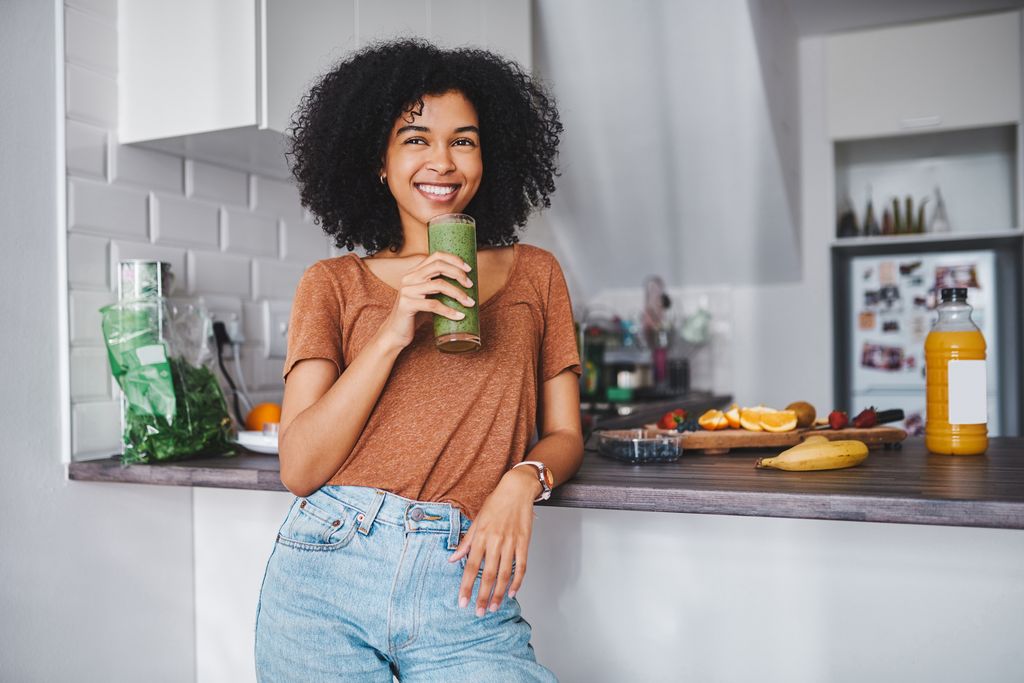
When it comes to building habits that will help us live until we’re 100, she says it’s important to start gradually and realistically. “For example, walking daily, incorporating age-appropriate strength training, prioritising fresh and minimally processed foods, respecting regular sleep schedules, and making time for both mental rest and personal relationships. I believe the key lies in consistency: what we do most days has far more impact than occasional efforts. Taking care of yourself is an investment in more years of life with greater well-being, independence, and quality.”
For those of you who want more actionable advice on living to 100 – top of committing to prevention – we spoke to other longevity experts for their advice.
1. Know your biological age
Knowledge is power, according to longevity expert Dr. Cherry Lo of supplement brand Manapura, who says tests to find out our biological age are key to living longer.
“We are moving toward a future where chronological age becomes less relevant than biological age. We now have powerful tools that can measure how fast your body is ageing, not just how many birthdays you’ve had,” she says. “These tests can look at patterns in your DNA and blood markers (such as ApoB for heart health) to show how your body is really functioning.
“Advanced blood tests can even detect warning signs of disease before symptoms appear. This information helps you understand your body’s true condition so you can act early instead of waiting until something goes wrong.”
2. Get moving – in this specific way
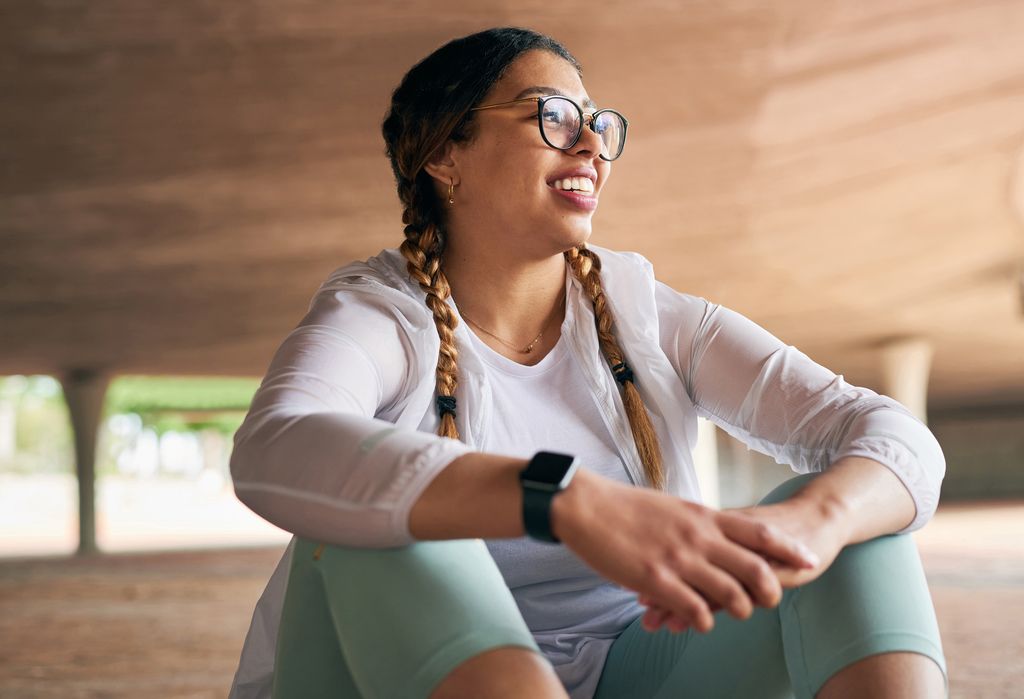
As Dr. Enayat said, regular low-intensity movement is essential for living as long as possible. Personal trainer Abby McLachlan of London fitness studio East of Eden dives deeper into what exactly this means for your exercise routine.
“Research consistently shows that a combination of cardio, strength training, and flexibility/mobility/balance work, plus social activity is most strongly linked to longevity,” she says, noting that the ideal combination comprises moderate cardiovascular exercise for heart health, strength training for maintaining muscle mass, bone density and metabolic health, plus balance and mobility work to prevent falls and maintain independence later in life.
For cognitive health, activities such as yoga, Pilates and tai chi support stress reduction and nervous system regulation, something Abby calls “an essential component of longevity,” adding: “You can’t treat the physical body as separate from the energetic body and nervous system when looking at long-term health and longevity.”
 © Getty Images
She continues: “Moving your body as much as you can, in as many ways as you can, is a great goal, but prioritises functional movement first.” This equates to strength training two to three times per week, walking as much as you can, and challenging your VO2 max with some more intense bursts of cardio.
She echoes the other experts, noting: “Longevity isn’t about extremes, it’s about sustainable habits you can maintain for decades. The goal is to stay strong, capable and confident in your body for as long as possible, not just to live longer, but to live well.”
3. Go outdoors
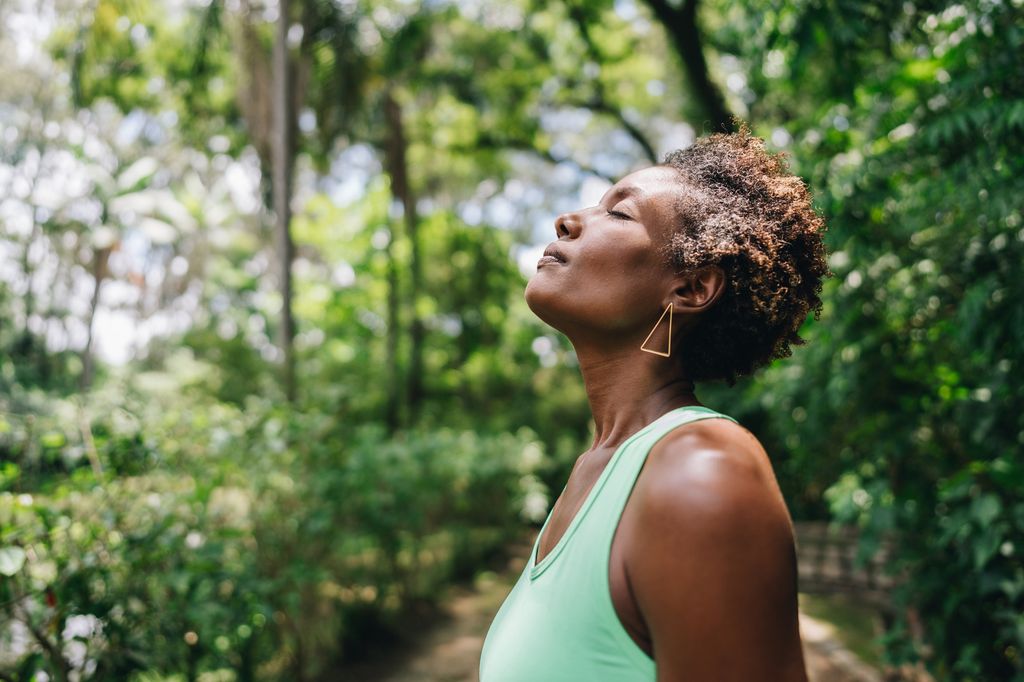
Perhaps the simplest trick in your longevity tool kit, meditation teacher Ciara McGinley, who frequently holds wellness sessions in London, says that spending time in nature will help us in our quest for old age.
“While I can’t quite promise spending time in nature will make you live to 100, if the research is anything to go by, it can certainly do wonders for our health and wellbeing,” she says pragmatically.
 © Getty Images
Ciara reiterates that long-term, chronic stress is a major risk factor for illness, and time outdoors can reduce stress, with research showing nature can lower our heart rate and blood pressure, as well as activating the parasympathetic nervous system, which helps us feel calmer and more relaxed.
The sweet spot is 120 minutes per week in nature – whether that’s one long walk or short bursts throughout the week. “Ultimately, time in nature can decrease feelings of anxiety and low mood, and increase feelings of life satisfaction – so, regardless of whether you live to 100 or not, it’s well worth investing time and energy into connecting with nature,” Ciara says.
This also means getting out and about no matter the weather, including the heavy downpours that have been plaguing the United Kingdom all throughout 2026.
4. And finally, go to bed
I’m sure you’re bored of hearing it – especially if you struggle to sleep – but sleep is a key player in all health-related matters, longevity included.
“Sleep is arguably the most underestimated longevity tool we have,” confirms Dr. Enayat. “It is not passive downtime, it is an active biological repair state.”
 © Getty Images
He elaborated: “During deep sleep, growth hormone is released, cellular repair accelerates and the brain clears metabolic waste via the glymphatic system. Chronic sleep restriction disrupts insulin sensitivity, increases systemic inflammation, impairs immune function and accelerates biological ageing markers.”
He continued: “Poor sleep also affects decision-making and appetite regulation, which then influences nutrition and movement behaviours. So, sleep becomes a cornerstone of many other longevity factors.”
On how to sleep better, Dr. Enayat bestows the benefits of consistent bedtimes, minimising evening light exposure, managing stress, and aligning with circadian rhythms as accessible and easy ways to meaningfully extend health span.
link
:max_bytes(150000):strip_icc()/Health-GettyImages-1413749294-1e0959850fd24395b36963b6b3f2e109.jpg "What Happens to Your Muscles When You Take Amino Acid Supplements?")